The Problem
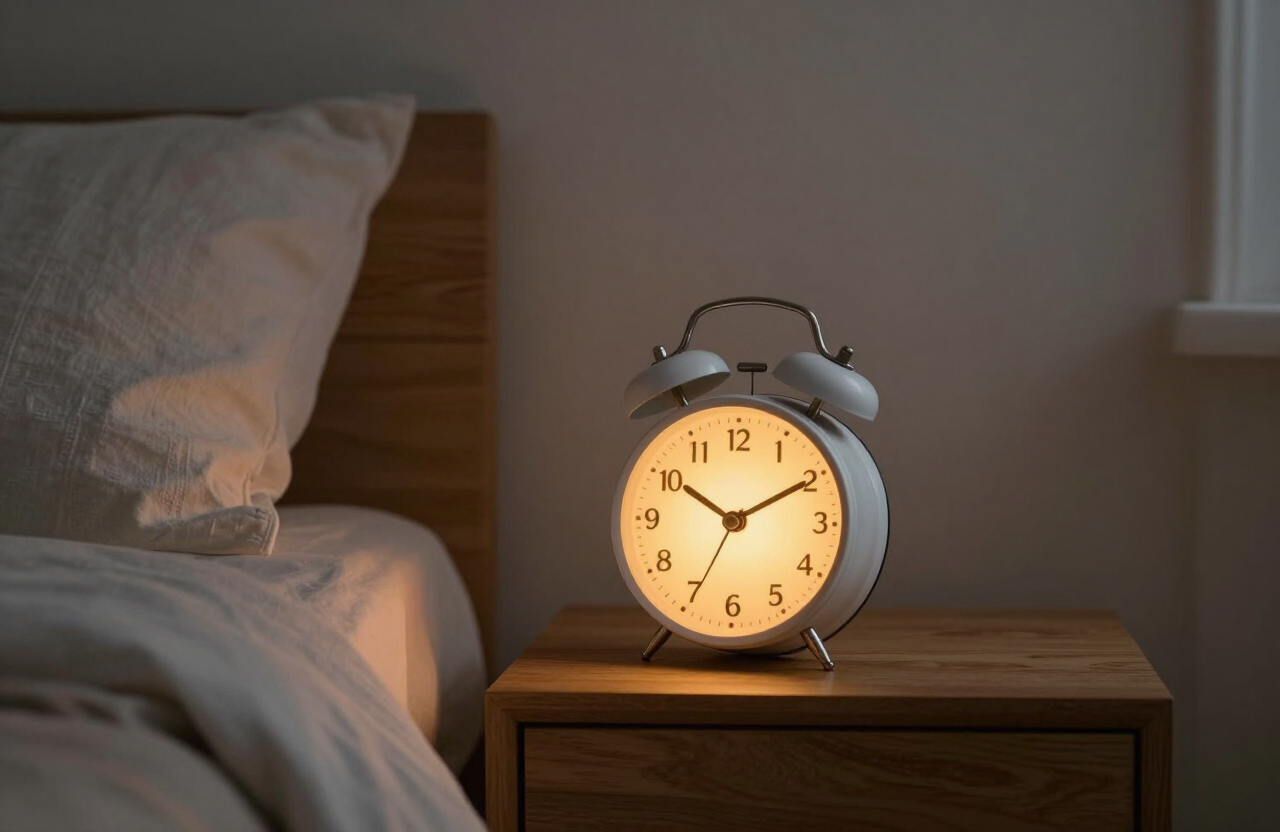
For most people the smartphone is the alarm clock — which means the day's first interaction is with the most attention-hungry object in the house. Sleep researchers call the result 'bedtime and wake-time procrastination': the alarm is the excuse that keeps the phone on the nightstand.
The obvious fix, a $10 alarm clock, fails in practice for a documented reason: abrupt audio alarms spike cortisol and are easy to snooze through. The research question became: what wake mechanism is gentle enough to keep and reliable enough to trust?
The Research
We reviewed sleep-medicine literature on dawn simulation, which shows that gradually increasing light before wake time improves alertness and reduces sleep inertia compared with sound-only alarms. We then compared owner reports across dedicated sunrise clocks, smart bulbs and app-based approaches.
Owner longevity data was decisive: app-and-bulb setups decayed with software updates and Wi-Fi changes, while dedicated devices kept working for years. Reliability — the alarm must simply fire — outranked every smart feature.
What Matters
-
01
Dawn simulation quality
A smooth 20–30 minute light ramp from deep amber to bright white, not a stepped dimmer.
-
02
Independence from the phone
Setup and daily use must not require the device you're trying to banish.
-
03
Alarm reliability
A dedicated device with backup power beats any app-dependent chain.
-
04
A bedside object worth keeping
If it looks like medical equipment, it migrates to a drawer within a month.
Solution Profile
Written before any product was considered — this is what a useful solution must do.
Must have
- Gradual sunrise simulation with a warm-to-daylight spectrum
- Fully usable without a phone after initial setup
- Battery or power-loss backup for the alarm
- Calm industrial design suited to a nightstand
- Optional wind-down routine for the evening side of the problem
Closest Match
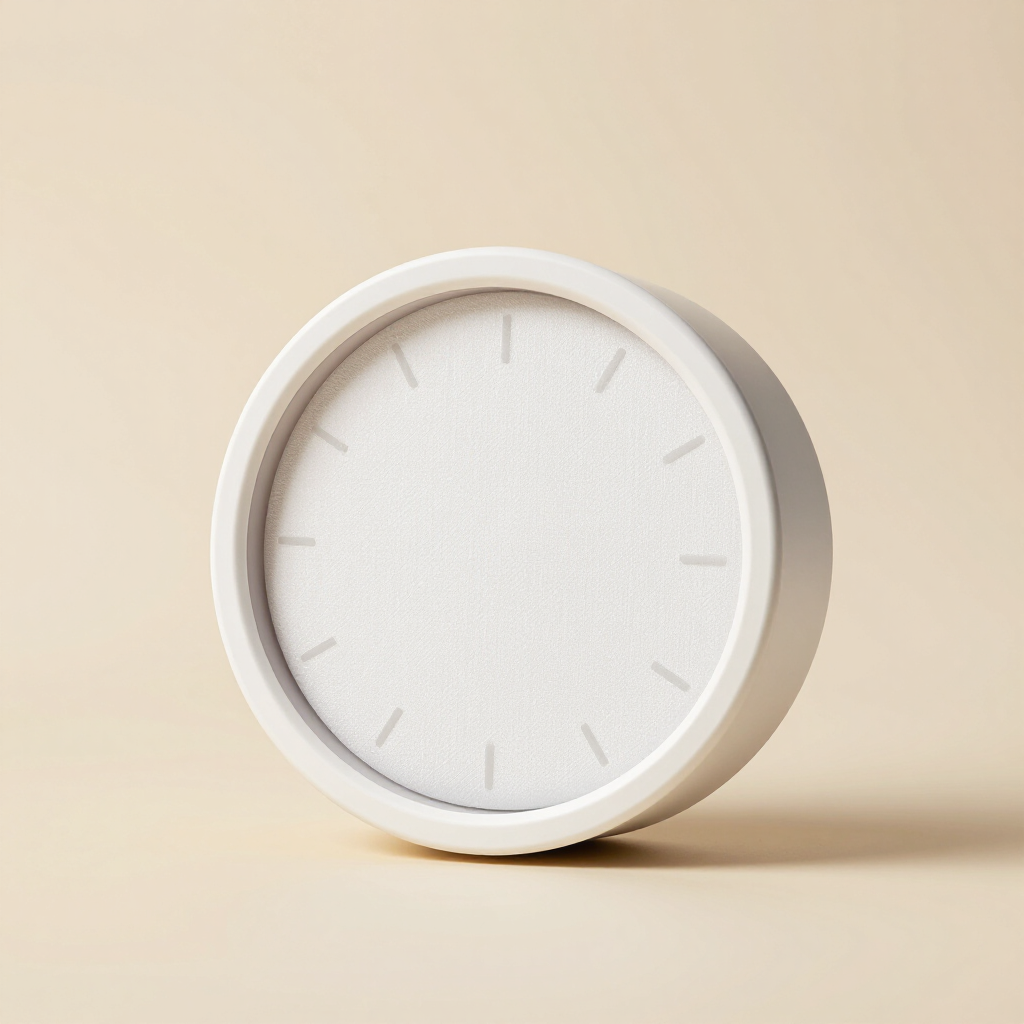
Hatch Restore 3
Hatch · via Amazon
Closest match to the profile: a phone-free sunrise alarm with physical controls, a considered light ramp, and a design owners keep on the nightstand.
KoolAllure may earn a commission from qualifying purchases made through links in this finding, at no additional cost to you.
Alternatives considered
We considered these too, and here is why the Finding arrived where it did.
-
Philips Wake-up Light HF3520 Philips
Lacks the wind-down evening routine and physical content controls.
Why It Fits
- The light ramp follows the dawn-simulation pattern described in sleep research
- Physical buttons handle every daily function — the phone can charge in another room
- Owner reports show unusually high multi-year retention for the category
- The wind-down routine addresses the evening half of the same problem
Limitations
No match is perfect. These are the trade-offs our research surfaced.
- Some sound and meditation content sits behind an optional subscription — the core alarm does not
- Priced well above a basic clock; the value is behavioral, not technical
- Bright sleepers may still want blackout curtains; light alarms complement, not replace, a dark room
Sources
- Dawn simulation and sleep inertia studies — Sleep medicine literature reviews Published research (sample citation)
- Multi-year owner retention and reliability reports — Verified owner reviews and forums Owner reports (sample citation)
- Smartphone use and sleep onset research — Behavioral sleep journals Published research (sample citation)
Format sample. This finding is based on published research, independent measurements and owner reports; no hands-on testing is claimed unless explicitly stated. KoolAllure may earn a commission from qualifying purchases made through links in this finding, at no additional cost to you.